
Linear regression is a powerful tool for predictive modeling and analysis in machine learning. It is often used to identify the relationship between different variables and predict how changes in one variable can affect the outcome of another. In this article, we will explore the basics of linear regression and its applications.
What is Linear Regression?
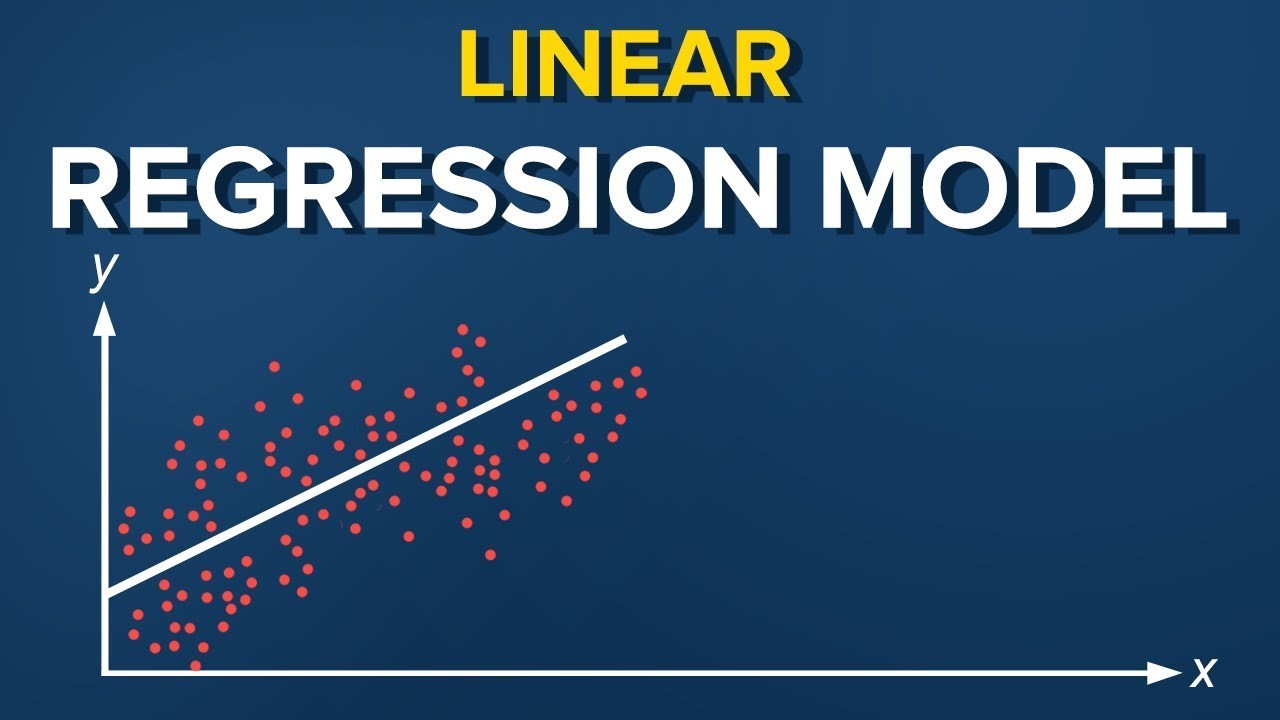
Linear regression is a statistical method used to model the relationship between two continuous variables. It is based on the idea of a linear equation, y = mx + b, where y is the dependent variable, x is the independent variable, m is the slope of the line, and b is the y-intercept. The goal of linear regression is to find the best fitting line through a set of data points, minimizing the distance between the predicted values and the actual values.
Simple Linear Regression
Simple linear regression involves only one independent variable and one dependent variable. For example, we might use linear regression to predict a person’s weight based on their height. The height would be the independent variable, and weight would be the dependent variable.

Multiple Linear Regression
Multiple linear regression involves two or more independent variables and one dependent variable. For example, we might use linear regression to predict a person’s income based on their education level, work experience, and age.

Applications of Linear Regression
Linear regression regression has many applications in various fields. It is commonly used in finance to predict stock prices, in marketing to analyze the relationship between advertising spending and sales, and in healthcare to predict patient outcomes based on various factors.
Sales Prediction
Linear regression can be used to predict future sales based on historical data. For example, a company might use linear regression to predict next year’s sales based on previous year’s sales and marketing spend.

Medical Research
Linear regression is used in medical research to model the relationship between a patient’s characteristics and their health outcomes. For example, we might use linear regression to predict a patient’s risk of developing a particular disease based on their age, gender, and lifestyle habits.

Conclusion
Linear regression is a powerful tool in machine learning for predictive modeling and analysis. It can be used to identify the relationship between variables and predict future outcomes. Whether you’re in finance, marketing, healthcare, or any other field, understanding the basics of linear regression can help you make better decisions and drive better outcomes.